
Trained to Carry It. Never Taught to Set It Down.
July 9, 2026
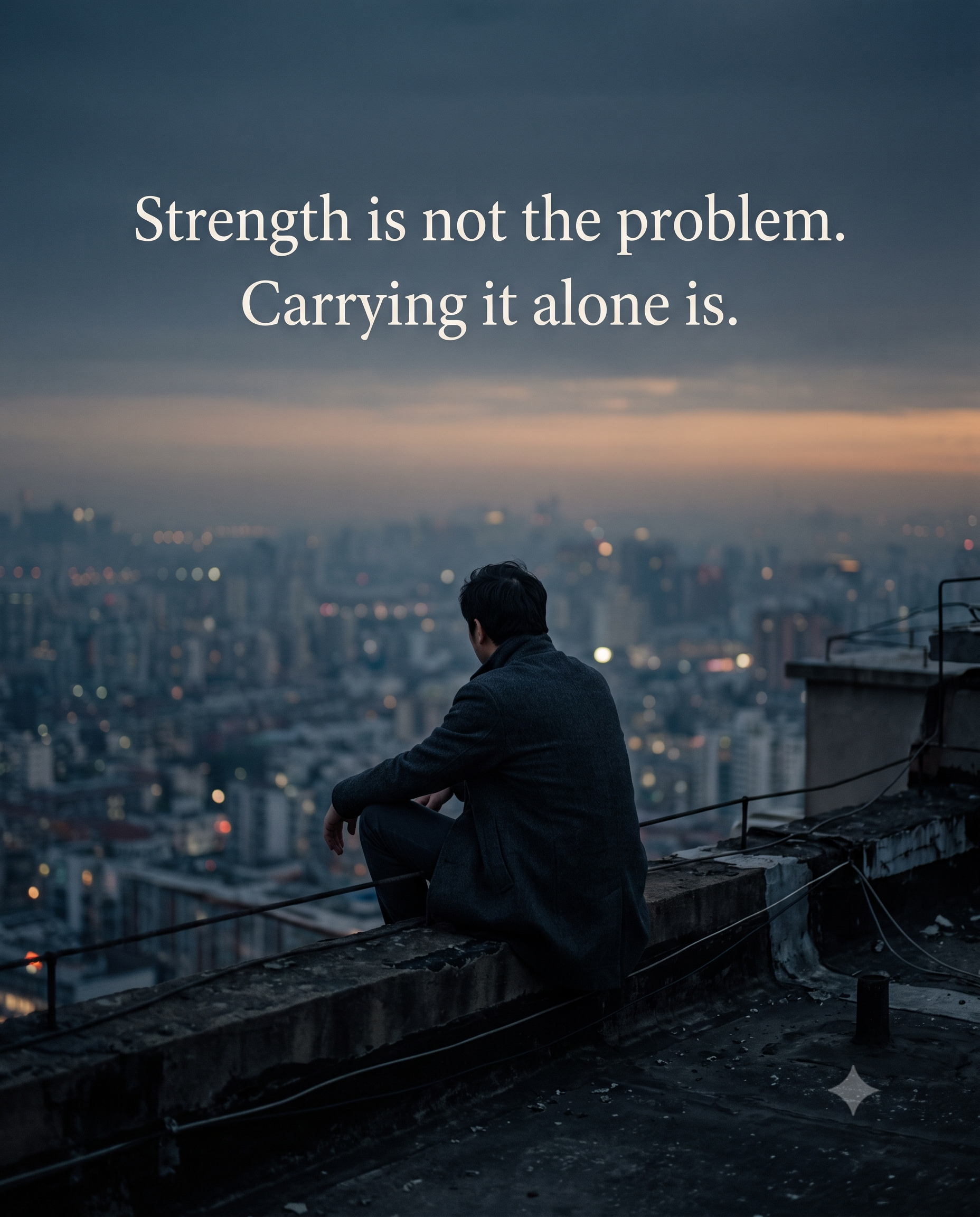
Some people work in environments where composure is not optional. Law enforcement, the military, emergency services, and other high-responsibility roles require the ability to stay steady when everyone else cannot. The job depends on it. Lives can depend on it.
Over time, that steadiness becomes more than a skill. It becomes an identity. You are the person who holds the line, who stays calm, who handles what others cannot. And in most cases, you do it well.
But the same events that require composure in the moment do not simply disappear afterward. Exposure to violence, loss, threat, and moral strain leaves a mark, even on people who are highly trained to manage it. Trauma is not a measure of weakness. It is what happens when a person absorbs more than any human nervous system was built to carry alone.
The difficulty in these professions is not only the trauma itself. It is the belief that acknowledging it could cost you something. In cultures where mental health is quietly stigmatized, seeking help can feel like admitting you are compromised, unreliable, or no longer fit for the role. So the symptoms get managed privately. Sleep suffers. Irritability grows. Emotional distance settles into relationships at home. The person keeps functioning, because functioning is what they know how to do.
None of that means something is wrong with you. It means you have been carrying something heavy for a long time, often without anywhere to set it down.
There is an important distinction worth naming. A mandated evaluation ordered by a department is not the same as care you seek privately, for yourself, on your own terms. Therapy that you choose is confidential and protected by law. What you bring into the room stays in the room, within the narrow limits every clinician is required to explain up front. It is not a report to your command. It is not a note in your file. It is a space that belongs to you.
That distinction matters, because it means getting support does not have to mean putting your career at risk. It can mean protecting the very capacity that makes you good at what you do. People recover their sleep. They feel present with their families again. They stop bracing against everything. The strength does not go away. It stops costing so much.
You spent years learning to carry it alone. Learning to set part of it down is not weakness. It is maintenance, the same kind of maintenance you would never skip on the equipment your life depends on.
If any of this feels familiar, Bellwether Professional Services provides confidential, trauma-informed counseling for individuals in law enforcement, the military, and other high-stress professions, with particular attention to trauma, moral injury, and the toll of staying strong for everyone else.
If you are in crisis or experiencing an emergency, please call 911 or go to the nearest emergency room. Bellwether Professional Services cannot provide crisis or emergency services.
Something here land close to home?
If any of this is familiar, it may be worth talking through.