
The Uniform Comes Off. The Memories Stay.
October 13, 2026
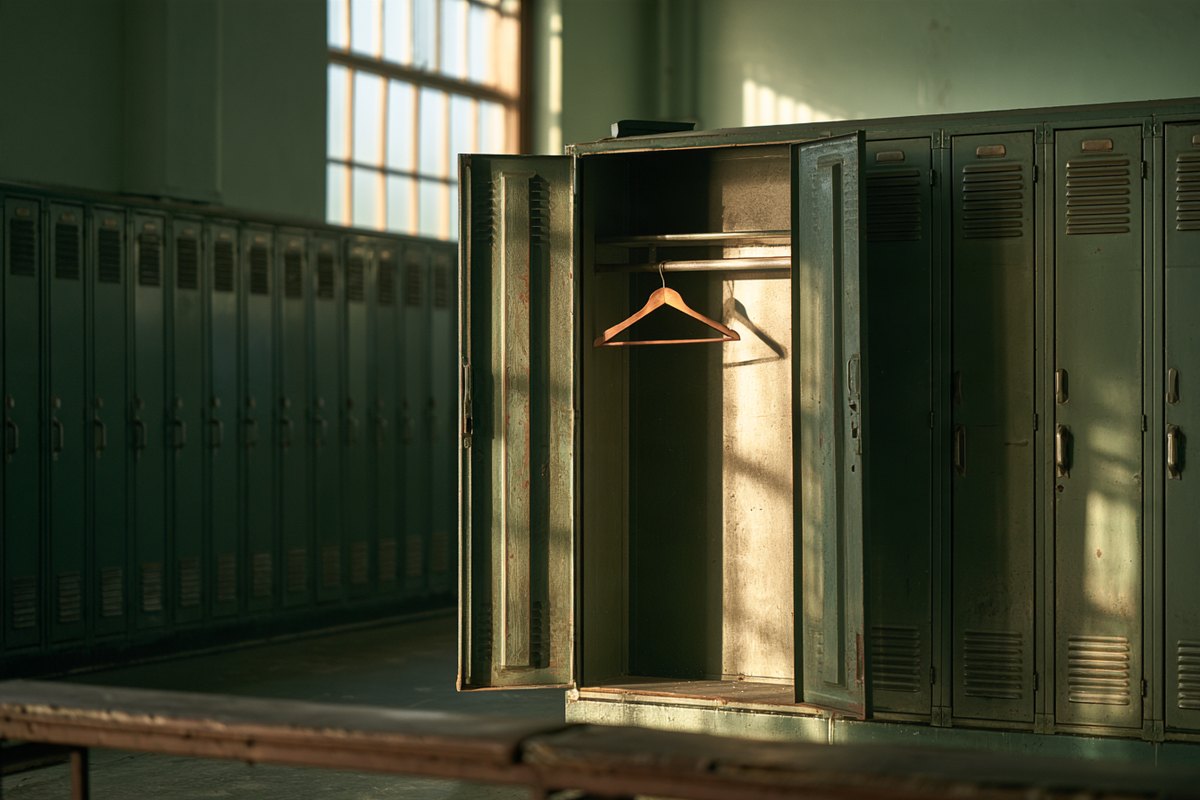
Most preparation for leaving a high-stress career covers pensions, benefits, health coverage, paperwork, or the next job. Very little of it covers what happens to everything a person saw along the way.
That gap applies across a wide range of work. Police officers, firefighters, paramedics, and dispatchers retire. Service members separate, sometimes after a few years and sometimes after thirty. Emergency, ICU, and trauma clinicians retire, change specialties, or step away from the bedside. The details differ. The pattern is often similar.
For most of a career, the work did a great deal of quiet labor. It supplied a schedule, a team, a clear role, and a reason to stay sharp. It also gave the hard memories somewhere to live. The call ended, the shift ended, the chart was closed, and the next one started. Staying busy and staying ready was not avoidance. In that setting, it was how capable people kept functioning.
Leaving the work removes the setting. The memories do not leave with it.
Some people notice it plainly: once the calls, the deployments, or the codes stop, certain scenes come back more often than they did on duty. Others notice something less specific. Sleep changes. Irritability shows up at home without an obvious cause. The vigilance that served them for years keeps running, scanning rooms and exits or listening for alarms, with nothing left to attach it to. None of this has to mean something has broken. More often it means the structure that helped hold those experiences in place has been taken away, while the experiences themselves are still there.
This is not a prediction that leaving will be hard. Many people step out of these careers and do well. It is a reason to treat the transition as what it is: a major change at the end of work that involved seeing what most people never will.
There is an identity piece as well. For many people in these fields, the role did more than describe a job. It answered who they were and why they mattered, every day, without anyone having to ask. Some people built a self in that work that was steadier and more capable than anything they had room to be earlier in life. When the role ends, it is fair to ask what happens to that version of yourself, and how much of it you want to carry forward.
People in these fields understand training better than almost anyone. No one waits for the structure fire, the firefight, or the code to learn what to do. You drill it beforehand, again and again, so that when the hard moment arrives your response is already there.
You spent years training to do the job. Almost no one trains to leave it.
Counseling can be that training. It does not have to begin with a diagnosis or a list of what went wrong. It can begin with preparation: understanding what the work has asked of you, noticing what the quieter hours are bringing up, deciding what you want to keep from the role, and building the habits that will serve you once the uniform is off. If older experiences turn out to need attention, there are trauma-focused approaches, EMDR among them, that clinicians use with first responders, veterans, and healthcare workers.
This training does not have to wait for the final year. Someone in the middle of a career who prepares for life after it is doing what they have always done: getting ready before it counts. The earlier that preparation starts, the more of it is in place when the time comes.
If this sounds familiar, Bellwether Professional Services provides confidential, trauma-informed counseling for first responders, military members and veterans, healthcare professionals, and others in high-stress careers, including those preparing to leave the work or adjusting after it.
If you are in crisis or experiencing an emergency, please call 911 or go to the nearest emergency room. Bellwether Professional Services cannot provide crisis or emergency services.
Something here land close to home?
If any of this is familiar, it may be worth talking through.